Economical Little Packaging Boxes: Ideal Solutions for Your Products!
Budget-friendly small boxes play a fundamental part in current business planning. view details They cut down on shipping expenses while elevating brand promotion strategies. Opting for the perfect box can deliver an impressive unboxing encounter, developing customer commitment. Yet, the decision-making process encompasses diverse elements, ranging from measurements and substances to tailoring alternatives. Understanding these factors can greatly impact a brand's success. Which key elements should enterprises concentrate on to amplify their packaging performance?
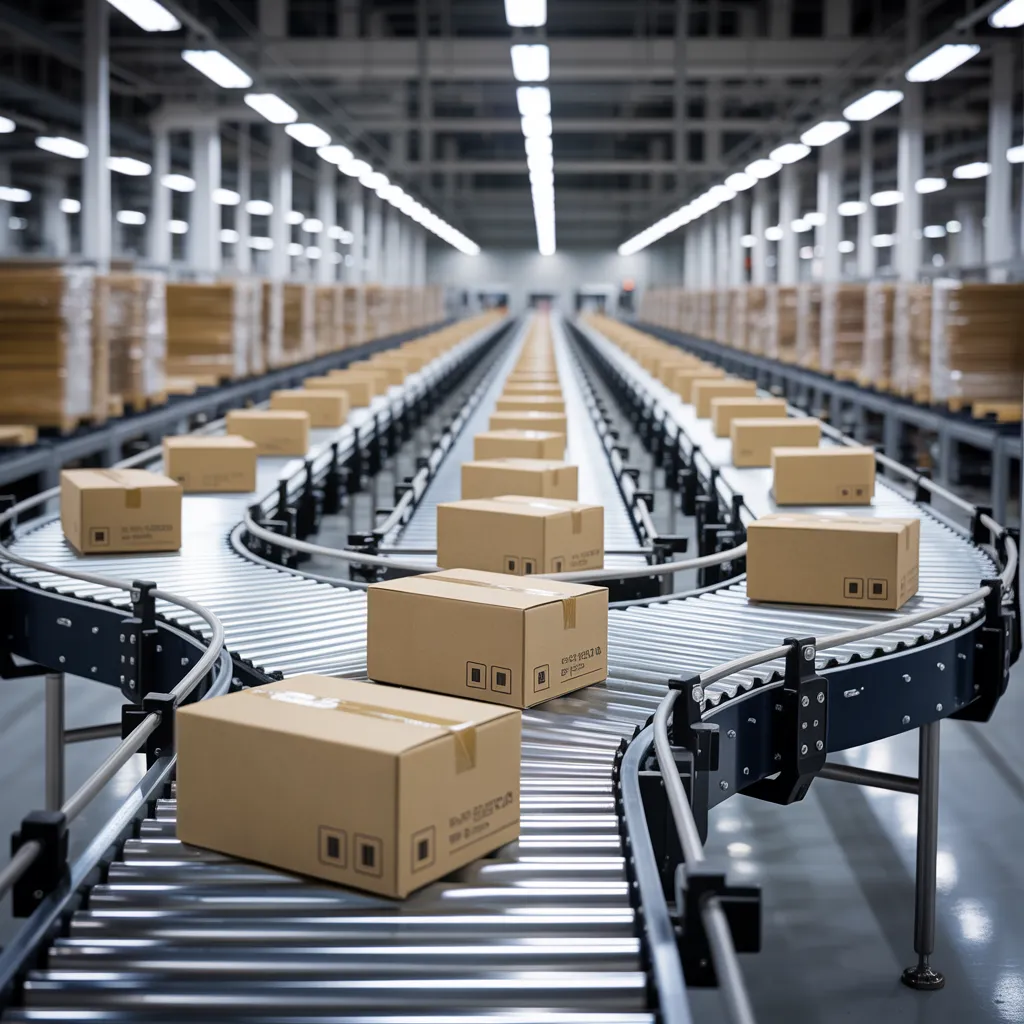
Why Your Business Needs Affordable Small Packaging Boxes
While several businesses focus primarily on the quality of products and price points, the importance of affordable small packaging boxes must not be ignored. These boxes perform a key function in establishing brand presence, customer satisfaction, and cost management. For businesses, using affordable packaging options aids in cutting overall operational expenses while retaining a professional appearance. Small packaging boxes can elevate the unboxing experience, making it noteworthy for customers and stimulating repeat purchases.
Moreover, economical small packaging solutions help businesses to remain competitive in their specific markets. By lowering packaging expenses, companies can either decrease their prices or allocate more towards other areas of their operations, such as marketing or product development. Additionally, eco-friendly alternatives in small packaging can entice environmentally conscious consumers, even more improving brand reputation. In summary, economical small packaging boxes are vital for businesses seeking to maintain equilibrium between cost-effectiveness with quality and customer engagement, ultimately affecting their success in a crowded marketplace.
Essential Features for Choosing Small Packaging Boxes
Picking the right small packaging boxes involves careful consideration of several key features that can substantially impact a business's efficiency and customer experience. First, the material used for the boxes is vital; options such as cardboard, kraft paper, or corrugated material provide varying levels of durability and protection. Second, the box design should accommodate branding elements, allowing businesses to boost their visibility while providing functional packaging. Third, consider the ease of assembly and closure; simple designs save time during the packing process. Additionally, boxes should be lightweight to reduce shipping costs while still maintaining strength. Finally, eco-friendliness is increasingly important; opting for recyclable or biodegradable materials can appeal to environmentally conscious consumers. By focusing on these essential features, businesses can select small packaging boxes that not only protect their products but also elevate the overall customer experience.
Picking the Right Size for Small Packaging
Selecting the correct size for small packaging is vital for maximizing both product protection and shipping efficiency. A well-sized box minimizes movement during transit, lowering the risk of damage to the contents. On the other hand, oversized packaging can lead to increased shipping costs and wasted materials, which is counterproductive for businesses pursuing affordability.
To determine the ideal size, businesses should assess their products carefully and consider supplementary factors such as cushioning materials. Customized boxes may deliver an ideal solution for unique product dimensions, providing a snug fit. Additionally, considering the end-user experience is vital; packaging that fits precisely can enhance customer satisfaction.
In the end, choosing the right size for small packaging not only protects products but also optimizes logistics and strengthens brand reputation. By prioritizing size optimization, companies can achieve a balance between cost-effectiveness and customer delight, paving the way for successful product delivery.
Top Material Choices for Small Packaging Boxes
Regarding small packaging boxes, the choice of material has a vital role in maintaining product safety and cost-effectiveness. The most commonly used materials include cardboard, paperboard, and corrugated fiberboard. Cardboard provides lightweight protection and is easily customizable, making it a popular selection for various products. Paperboard is thinner and typically used for items requiring less structural strength, such as cosmetics or small electronics.
With its robust structure, corrugated fiberboard is perfect for shipping and demanding applications, offering superior cushioning throughout transport. Moreover, green options including recycled materials are gaining momentum, drawing in environmentally minded buyers. Every material offers distinct advantages, enabling companies to choose the optimal solution according to their particular requirements and financial considerations. In the end, selecting the appropriate material can improve the complete packaging experience while protecting the enclosed product.
Innovative Personalization Concepts for Brand Enhancement
While small packaging boxes serve a functional purpose, their potential for brand enhancement must not be ignored. Customization options enable brands to create a one-of-a-kind identity that resonates with consumers. One successful idea is using vibrant colors and compelling graphics that reflect the brand's personality. Incorporating logos and taglines distinctly on the packaging can strengthen brand recognition.
Additionally, innovative shapes and designs can attract customer attention, making the product stand out on shelves. Textured finishes, such as matte or gloss, can improve tactile experiences.
Organizations might also evaluate eco-friendly materials and designs that demonstrate sustainability values, engaging environmentally conscious consumers.
Personalized elements, such as handwritten notes or special inserts, create a personal connection. Finally, creative customization converts small packaging boxes into powerful marketing tools that can improve a brand's image and cultivate customer loyalty.
How Economical Small Packaging Helps You Save Money
Economical small packaging can substantially reduce shipping costs by decreasing the weight and size of shipments. Furthermore, smaller boxes often result in diminished material waste, as they require fewer resources to produce and fill. This combination not only benefits the environment but also increases overall cost efficiency for businesses.
Reduce Transportation Charges
Employing small packaging boxes can dramatically reduce shipping costs for businesses of all sizes. By decreasing the dimensions and weight of packages, businesses can take advantage of lower shipping rates delivered by carriers. Smaller boxes frequently fall into lower pricing tiers, producing significant savings, especially for companies that ship often or in bulk. Additionally, smaller packages occupy less space during transit, helping carriers to optimize their loads and enhance efficiency. This not only leads to cost savings for the shipper but also enhances delivery times. Moreover, reduced shipping costs empower businesses to allocate budgets into other critical areas, such as marketing or product development, ultimately driving growth and competitiveness in the market.
Decreased Production Material Wastage
More compact packaging boxes not only lead to lower shipping costs but also contribute to reduced material waste. By utilizing compact designs, businesses decrease the amount of packaging material needed for each shipment. This efficiency not only lessens the environmental impact but also corresponds to sustainable practices that consumers increasingly favor. Additionally, reduced material usage leads to lower production costs, allowing companies to allocate resources more effectively. Smaller boxes typically require less filler material, minimizing the volume of waste generated during packaging and shipping processes. As a result, implementing affordable small packaging solutions encourages a more responsible approach to packaging, ultimately supporting both the bottom line and the environment. This strategic choice can improve a brand's reputation while promoting sustainability.
Where to Purchase Budget-Friendly Small Packaging Boxes
When looking for affordable small packaging boxes, purchasers have several options to consider. Area packaging distributors frequently offer tailored service and immediate availability, while e-commerce platforms supply simplicity and a more extensive range. In addition, wholesale suppliers can be a cost-efficient option for volume purchases, assisting businesses seeking to save on packaging investments.
Nearby Packing Companies
Even though countless businesses seek cost-effective alternatives for their packaging needs, finding local suppliers for affordable small packaging boxes can considerably improve their operational efficiency. Local packaging suppliers often offer personalized service, allowing businesses to examine specific requirements and receive tailored solutions. Close access to suppliers can also create reduced shipping costs and faster delivery times, which is critical for meeting tight deadlines. Furthermore, local suppliers may offer the opportunity to inspect materials in person, confirming quality and durability. Businesses can create long-term relationships with these suppliers, leading to better pricing and consistent stock availability. By supporting local suppliers, companies can also strengthen their local economy, creating a win-win situation for all parties.
E-commerce Retail Platforms
Several online retail platforms feature a vast selection of economical small packaging boxes, addressing the requirements of businesses of all sizes. These platforms, like Amazon, ULINE, and eBay, feature an array of options in diverse sizes, shapes, and materials, making certain that every product has a suitable packaging solution. Customers can readily compare prices and read user reviews, which assists in making informed purchasing decisions. Many of these retailers also often run promotions or discounts, strengthening affordability. Additionally, some platforms feature bulk purchase options, empowering businesses to save even more on their packaging needs. With streamlined delivery services, online retail platforms offer a practical and efficient way for companies to source small packaging boxes without leaving their premises.
Wholesale Distributor Alternatives
Wholesale vendors present an excellent avenue for businesses looking for affordable small packaging boxes, as they frequently feature cost-effective rates and a wide variety. These distributors typically stock comprehensive stock levels, enabling companies to discover specific box sizes, materials, and designs suited to their products. Moreover, purchasing in bulk from wholesalers can result in significant cost savings, making it an appealing solution for small and large businesses alike. Many wholesalers also provide customization services, enabling brands to create distinctive packaging options that improve their product presentation. Businesses can investigate local suppliers or well-known online suppliers, guaranteeing they identify the right fit for their packaging needs while leveraging economies of scale and consistent delivery services.
Guidelines for Efficiently Packing Your Articles
When packing products, efficiency is key to minimizing costs and securing safe delivery. To start with, selecting the right size of small packaging boxes is vital. Boxes that are too large can cause wasted space and additional shipping costs, while overly tight boxes could damage the items. Moreover, employing cushioning materials, such as bubble wrap or packing peanuts, can safeguard fragile items during transit. Third, organizing products methodically within the box helps optimize space; heavier items should be placed at the bottom, with lighter ones on top. Additionally, sealing boxes firmly with quality packing tape is important to prevent any accidental openings. Finally, labeling packages clearly aids in quick identification and reduces the risk of misdelivery. By following these tips, businesses can confirm that their products are packed properly, eventually boosting customer satisfaction and reducing overall shipping expenses.
How Compact Packaging Affects Shipping Expenses
Compact packaging heavily affects shipping costs through various factors such as weight considerations and dimensional weight pricing. Lighter shipments usually incur lower shipping fees, while efficient space utilization within shipping containers can reduce overall shipping expenses. Knowing these elements is critical for businesses aiming to optimize their logistics and lower expenditures.
Weight Aspects And Expenses
Shipping costs are greatly influenced by the weight of packaging materials. Lighter packaging reduces overall shipping expenses, making it an essential factor for businesses aiming to optimize their logistics. Small packaging boxes, designed to minimize weight without jeopardizing product safety, can result in significant savings. Companies that prioritize lightweight materials often find that their shipping costs drop, allowing for more competitive pricing or increased profit margins. Additionally, choosing the right packaging weight can enhance customer satisfaction, as lower shipping fees can be passed on to consumers. Overall, the careful selection of small packaging solutions not only optimizes shipping processes but also supports cost-effective operations in a competitive market.
DIM Weight Pricing
Dimensional weight pricing stands as a vital component of logistics that substantially influences shipping costs. This pricing model accounts for both the weight and volume of packages under consideration, allowing carriers to charge based on the space a package occupies as opposed to its actual weight. For small packaging boxes, this means that even lightweight items can incur higher shipping fees if their dimensions exceed specific limits. As a result, businesses must evaluate the size of their packaging to optimize shipping expenses. By utilizing appropriately sized small packaging boxes, companies can substantially lower dimensional weight charges. This strategic approach not only cuts shipping costs but also improves overall profitability, making it critical for businesses to assess their packaging choices meticulously.
Optimal Space Usage
When businesses prioritize efficient space utilization, they can significantly influence their shipping costs. Compact packaging solutions enable products to take up less space, decreasing dimensional weight that's essential for shipping costs. Through optimizing available space in shipping containers, companies can reduce the quantity of packages needed for shipment. This optimization generates lower transportation costs and can boost overall supply chain performance. Furthermore, smaller packages typically lead to decreased material costs, as fewer packaging materials are necessary. Ultimately, embracing small packaging solutions can streamline operations, enhance sustainability by reducing waste, and improve profit margins, making it a strategic choice for companies aiming to optimize their shipping processes.
Real-World Examples: Brands Successfully Utilizing Small Packaging Solutions
Numerous brands have successfully implemented small packaging solutions, understanding their potential to improve sustainability and reduce costs. For instance, a well-known cosmetics brand switched to smaller, eco-friendly packaging for its product lines, generating a 30% reduction in material costs and a significant decrease in waste. Another successful case is a gourmet snack company that implemented compact packaging, which not only lowered shipping costs but also attracted environmentally conscious consumers. This move produced a 25% increase in sales within a year.
In addition, a tech accessory brand leveraged small packaging to streamline its distribution operations, successfully reducing storage space and logistical expenses. Their innovative design also elevated the unboxing experience for customers, solidifying brand loyalty. Combined, these case studies show how small packaging solutions can provide tangible benefits, driving both profitability and sustainability in multiple industries. Brands continue to recognize the competitive benefits of adopting these practices.
Popular Questions
Can Small Packaging Boxes Be Green?
Little packaging boxes can truly be green. Several makers today present alternatives manufactured from recycled or biodegradable resources, assisting in minimizing ecological footprint all while offering resilient and reliable solutions for multiple packaging applications.
How Should I Personalize Small Packaging for My Brand?
To tailor small packaging for a brand, businesses can include custom designs, use distinctive colors, add logos, include customized messages, and select materials that reflect the brand's values, enhancing customer experience and brand recognition.
What Is the Typical Lead Time for Small Packaging Orders?
The standard lead time for small packaging orders typically ranges from 2 to 4 weeks, contingent upon factors like order quantity, customization needs, and the manufacturer's production schedule, that may alter delivery timelines significantly.
Are There Minimum Order Quantities for Purchasing Small Packaging Boxes?
Indeed, numerous suppliers require minimum order quantities for small packaging boxes. These quantities can vary substantially, typically ranging from fifty to several hundred units, depending on the manufacturer and specific product needs.
Is It Possible to Return Unused Small Packaging Boxes?
Normally, unused small packaging boxes can be returned, as long as they are in original condition. However, return policies differ by supplier, so examining individual terms and conditions is crucial before beginning a return process.